Intentional and evidence-driven learning design, as both an art and science, grounds the
creation of meaningful learning experiences, regardless of content, context, or type of learner.
Advanced Practices in Learning Experience Design provides learners with a project-based
collaborative learning community within which to design and develop an authentic learning-based
solution to an identified problem of practice. This course guides learners through the
entire learning design process. They will critique design models and develop a design plan
based on an analysis of needs, showcasing the alignment between objectives, assessments,
and instructional strategies, and include plans for:
1) the development of resources;
2) instructional delivery methods; 3) implementation challenges; and 4) evaluating the success of
their design. Learners will then put their plan into action by creating a learning module prototype
in their chosen delivery format, using the design strategies and technologies that best support
their plan.
Signature Assignments
Course
Reflection
From Building Content to Designing Learning
At the beginning of the term, I knew I wanted to build a learning experience centered on decision-making rather than content delivery. As the project developed through research, prototyping, feedback, and revision, I learned how much work it takes to make authentic decisions feel believable while still keeping the experience focused on the learning objectives.
This course challenged me to think beyond creating instructional content and toward designing learning experiences that allow learners to practice making decisions. At the beginning of the quarter, I knew I wanted to build a learning experience centered on decision-making rather than content delivery. As the project developed through research, prototyping, feedback, and revision, I learned how much work it takes to make authentic decisions feel believable while still keeping the experience focused on the learning objectives.
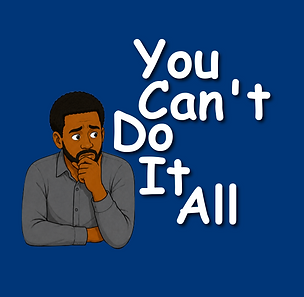
One of the biggest lessons I learned was the value of authenticity in learning design. As I developed You Can't Do It All, I found myself continually asking whether an interaction actually supported learning or simply made the course feel more interactive. That question shaped nearly every design decision I made. Instead of adding complexity for its own sake, I focused on creating opportunities for learners to analyze situations, weigh tradeoffs, and experience the consequences of their choices in a realistic environment.
I am especially proud of the Storyline scenarios. They went through countless revisions as I refined the branching, dashboards, character interactions, and feedback to create an experience that felt natural rather than patronizing. Building those scenarios reinforced how much thoughtful instructional design happens long before any development begins. Every choice, consequence, and piece of feedback needed to align with the learning objectives while still feeling like something a learner might genuinely encounter on the job.
Another area where I saw significant growth was in my willingness to iterate. Throughout the quarter I revised nearly every section of the course multiple times, simplifying interactions, reorganizing content, improving pacing, strengthening transitions, and refining visual consistency. Feedback became less about defending my work and more about discovering ways to make the learner experience clearer and more meaningful. I also became much more adept at balancing creativity with restraint, recognizing that every element should earn its place by supporting learning rather than simply showcasing my technical skills.
Looking ahead, I want to continue designing learning experiences that mirror the complexity of real work. I am increasingly drawn to scenario-based learning, authentic assessment, and experiences that ask learners to think critically instead of memorize information. This course reinforced that effective instructional design is not about building the most sophisticated interaction. It is about creating opportunities for learners to practice good judgment, reflect on their decisions, and leave with skills they can confidently apply beyond the course.